The Maldives are synonymous with happiness, but the beauty of these islands is that well-being and contentment are not limited to the mainland. Just below the surface of the water, the memorable experiences continue in a kaleidoscope of colours and life forms. Exploring the underwater world of the archipelago is truly rewarding, both for the variety of marine fauna and the safety guarantees that accompany every activity at sea. With one aspect not to be underestimated: this paradise is open to everyone, from experienced divers to those who 'only' want to admire the seabed by snorkelling.
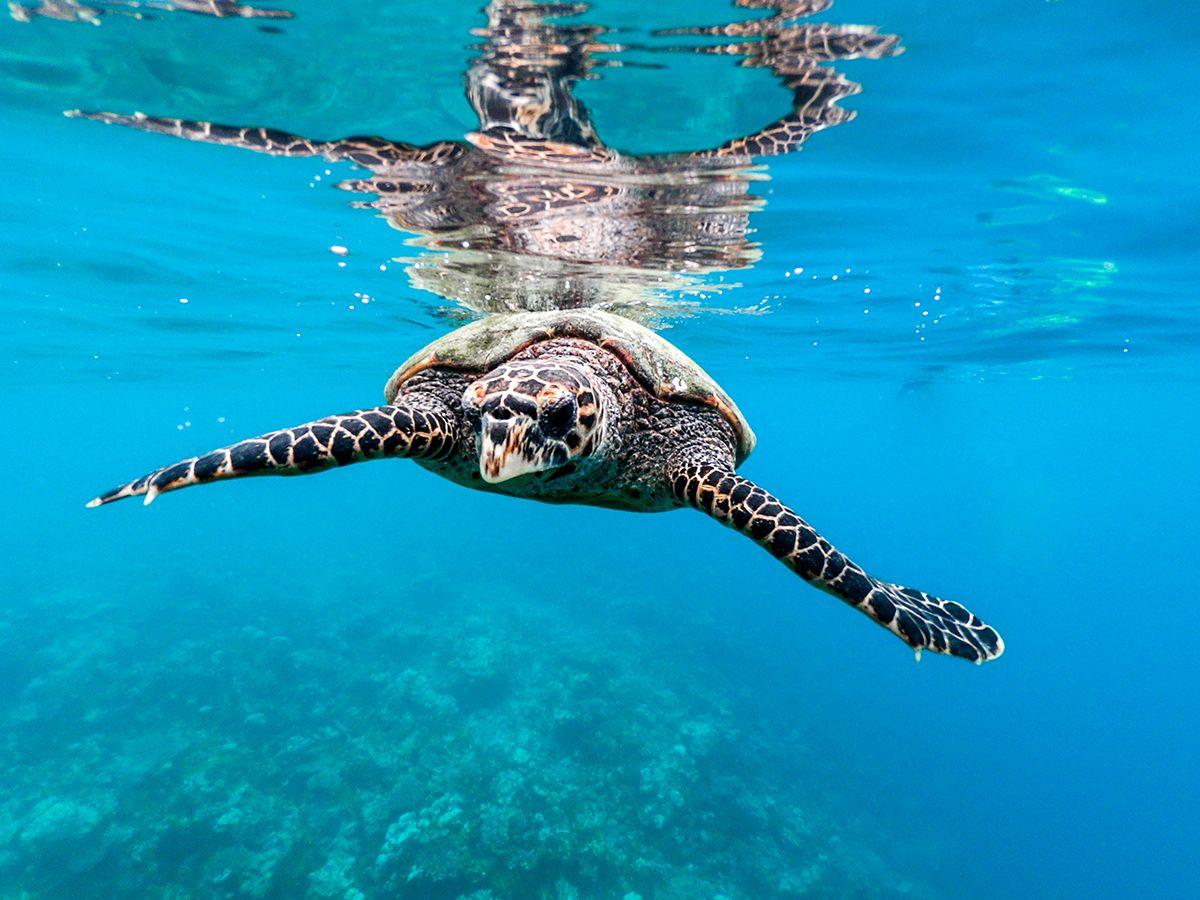
Maldives, a diving companion. Credits Visitmaldives
Diving: instructions for use and sites not to be missed
The large water park set up by Mother Nature in the waters that lap the Maldives is not only remarkable for the quality of the seabed, but also for its variety. Generally, Maldivian sites fall into four environments, each with its own unique and grandiose characteristics.
The most famous is the coral reef: where the reef slopes down to the deep sea, the most interesting and species-rich spots can be found. If you have come to meet little Nemo, the clown fish made famous by Disney, you will certainly find him here. Then there are the kandu, or channels dividing islands, coral reefs or atolls. Here, strong currents favour the presence of plankton, which in turn attracts whale sharks. It is also a very suitable habitat for soft corals, sea creatures for which the mantra 'look, but don't touch!' applies. Speaking of corals, the thila is a formation that rises from the bottom of the atoll up to 5-15 metres from the water surface, while a lap, also consisting of corals, almost reaches the surface of the water. The last environment you encounter is the only one in which man plays a role and, somewhat ironically for our species, consists of numerous submerged wrecks: because of the treacherous shallows, ships covered with corals lie on the seabed, sometimes sunk specifically to... create the atmosphere.
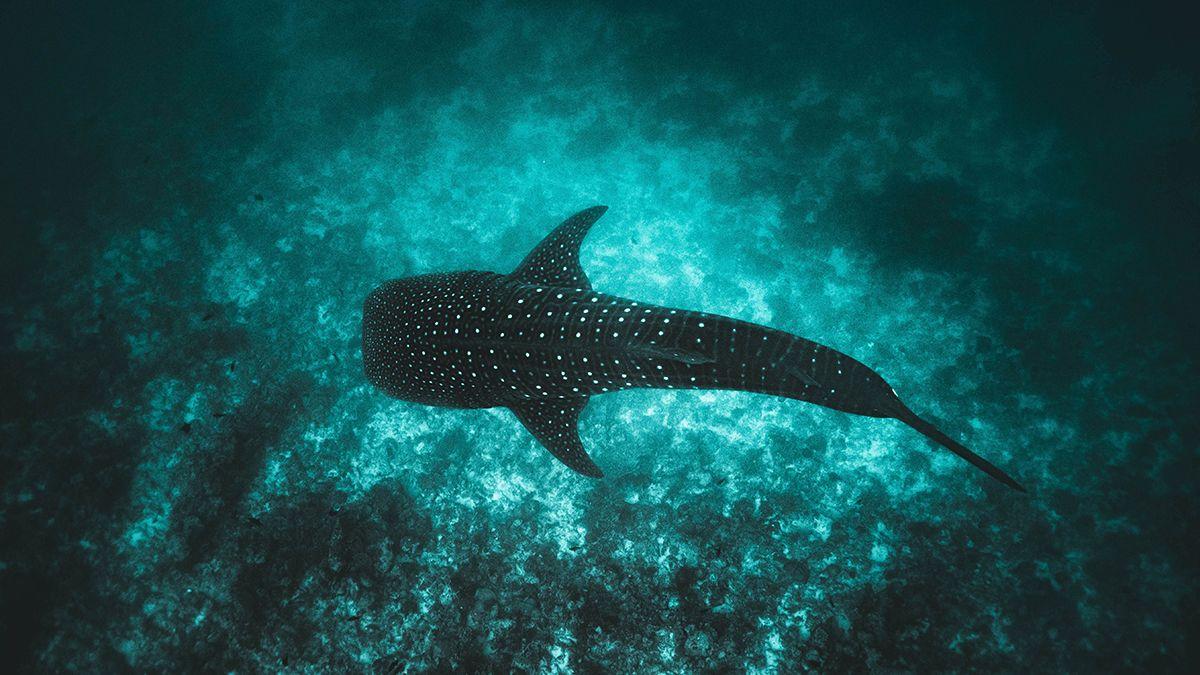
Maldives: whale shark in the turquoise. Credits Visitmaldives
Diving is not difficult and is generally within everyone's reach, but it does require care and caution. Agencies and resorts organise courses of various kinds, from introductory lessons with dives in the pool or lagoon to open water courses aimed at obtaining an international diving licence. Diving sessions guarantee a high standard and up-to-date equipment, with a special feature that highlights the high level of safety you will find in the Maldives: in order to dive, it is compulsory to have a diving computer, which you can rent for a modest charge (US$5 to US$10 per dive).
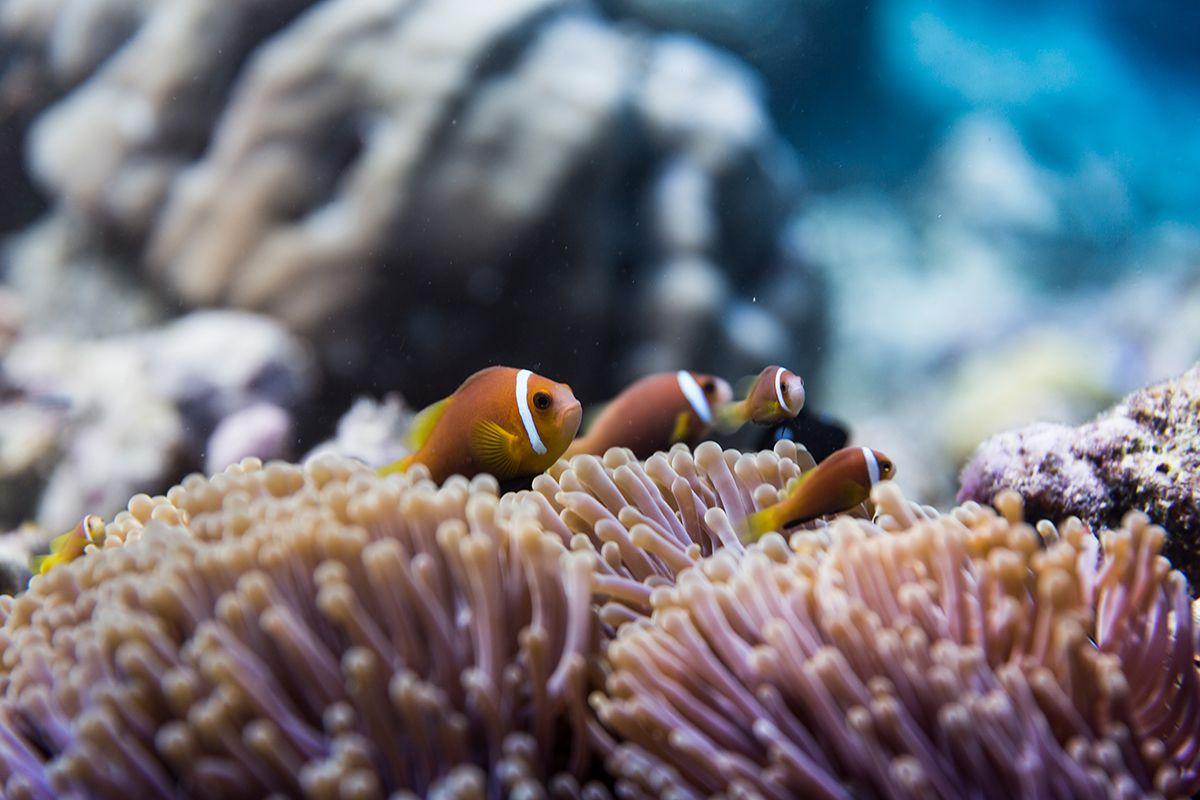
Maldives: meeting Nemo. Credits Visitmaldives
As for the best sites, you will soon realise that the possibilities are almost endless in paradise. Dhidhdhoo Beyru is the recommended place to swim with whale sharks: coming face to face with these harmless and majestic lords of the sea provides thrills worth the trip. Hammerhead Point, in the North Ari Atoll, is the best place to meet hammerhead sharks - the only drawback is that you will have to wake up at dawn, as these fish are rather early risers. If you're looking for the ultimate coral reef experience, on the other hand, head for Helengeli Thila, one of the best dive sites in the North Male atoll, which is rich in coral and pelagic species.
The best way to appreciate such variety is to join a diving safari. With a dozen or so other divers, you will set sail on a cruise between the atolls in specially equipped boats. You can stop at your favourite dive sites, visit inhabited and uninhabited islands, find isolated moorings or sleep in bunks.
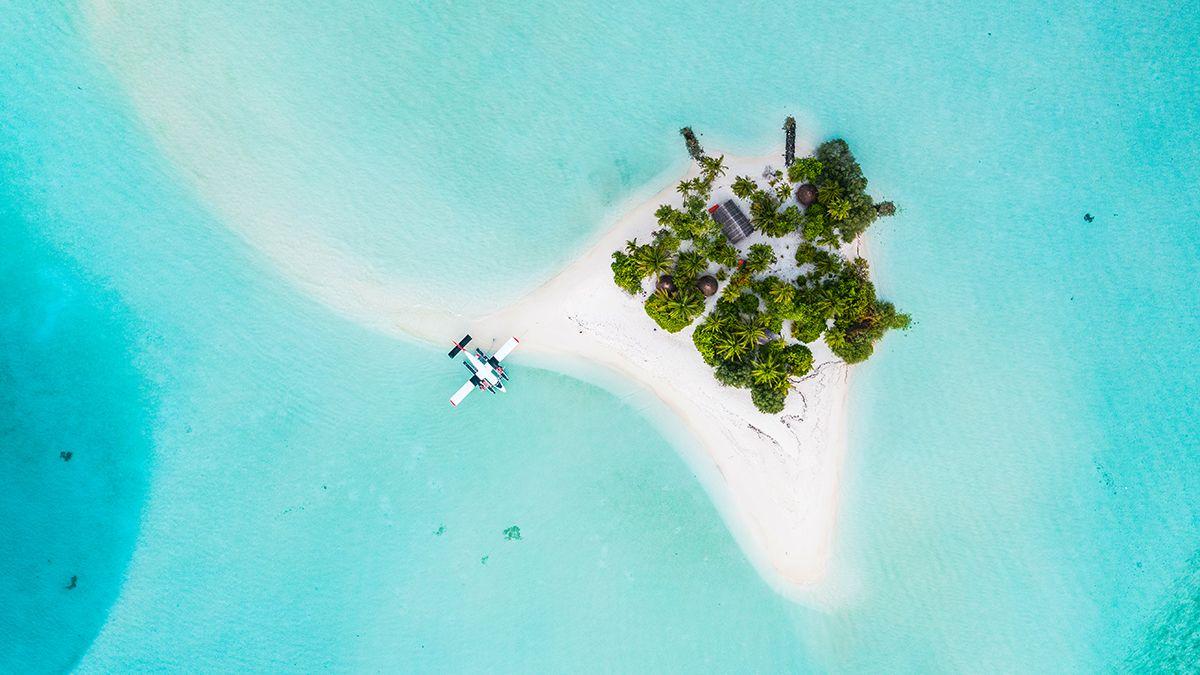
Maldives: the right setting for snorkelling. Credits Visitmaldives
Sign up for our newsletter! For you weekly travel tips, special offers, stories from around the world and 30% discount on your first order.
Snorkelling: maximum reward with minimum effort
To experience the ineffable joy of snorkelling, you do not need to have accomplished any great feats before landing in the paradisiacal Maldives: you just need to know how to swim. The colours of the fish and coral appear even more dazzling in the shallow waters, which means that unmissable spectacles await you on the coral reefs of the archipelago.
Assuming that the pleasure begins shortly after putting on your mask, a few pointers on where to go will help. Usually, an island is surrounded by a sandy lagoon, which then gives way to a coral bed(faru), a belt of living and dead corals in shallow water. At the edge of the faru is a steep coral-covered slope that plunges down to deeper waters. This slope, which is called 'house reef' in island-resorts, is the most suitable area for snorkelling. As the seabed descends, one can clearly see the changing types of corals and marine flora.
The best snorkelling resorts have access to a reef around the island, where the deep waters are not too far from shore. There are usually channels that you can swim through to reach the outer reef wall. Important and not to be taken for granted: in order to avoid scratching or damaging the coral, always use these passages instead of trying to find a way through the coral bed. Never forget that the spectacle you experience should be preserved for future generations.
Related articles

Maldives, what to do? 10 experiences you absolutely must try
Cheap holidays Maldives Archives
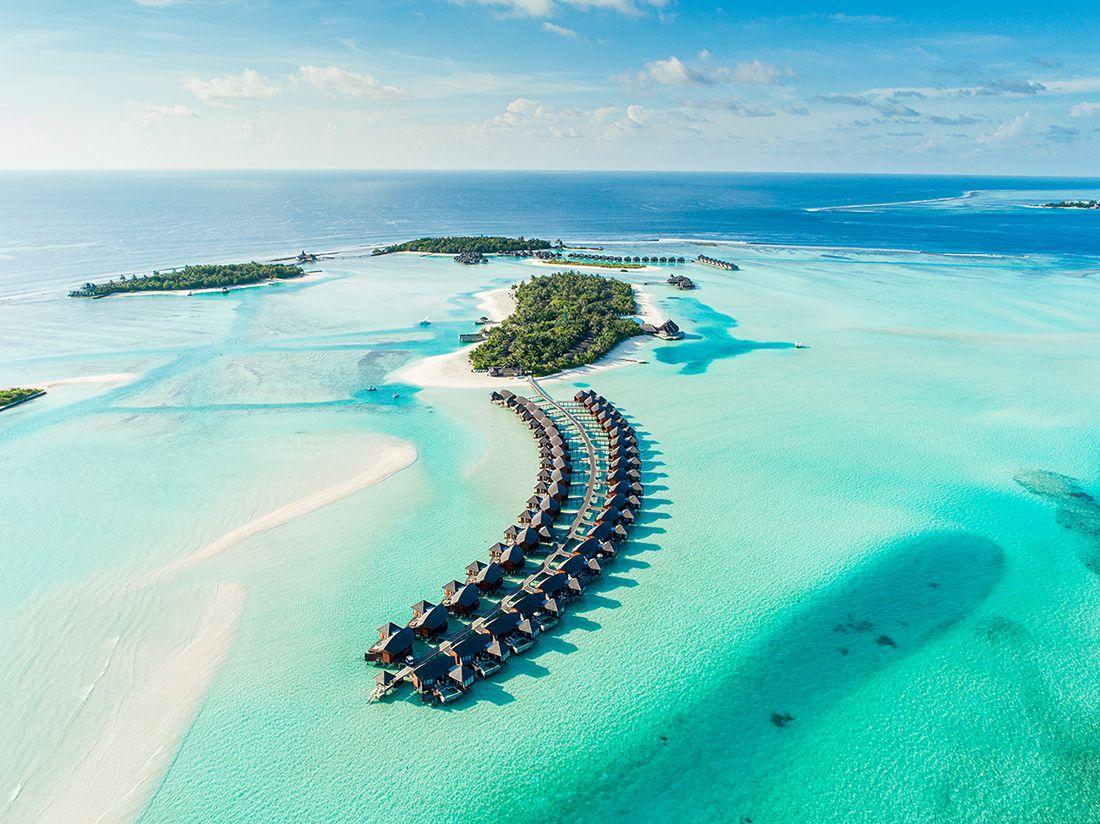
Maldives: the welcoming and safe face of beauty
Sun Island Resort Maldives
Kurumba Maldives Resort Maldives
Kuredu Island Resort Maldives

Thailand: A unique destination on a superyacht

Syracuse, What to Do and See Between Sea and Beaches