 Characterised by its distinctive architecture, gravity-defying skyscrapers and luxury boutiques, Dubai is one of the world's largest and most modern cities and one of the most popular tourist destinations due to its many sights.
Cosmopolitan and avant-garde, it should be discovered in all its 'magnificence' in the broadest sense: right here is the world's tallest skyscraper, the Burj Khalifa, which touches the sky with its 830 m height.
A city balanced between the ancient Orient and the third millennium, it is truly a destination not to be missed. Here are tips and indications on the best time to visit this beautiful city.
Climate, Average Temperatures and Rainfall
Month | Average temperature | Rainfall days |
|---|---|---|
January | 15 / 24° | 2 days / 10 mm |
February | 17 / 26° | 4 days / 35 mm |
March | 19/ 29° | 4 days / 25 mm |
April | 22 / 34° | 2 days / 10 mm |
May | 26 / 39° | 0 days / 1 mm |
June | 29 / 40° | 0 days / 0 mm |
July | 31 / 41° | 0 days / 0 mm |
August | 31 / 42° | 0 dd / 0 mm |
September | 29 / 39° | 0 dd / 0 mm |
October | 25 / 36° | 0 days / 0 mm |
November | 21 / 31° | 0 days / 2 mm |
December | 17 / 26° | 2 days / 15 mm |
Best period: between November and March there is good sunshine, mild temperatures and occasional rain to cool the air. Optimal conditions for visiting the city.
Period to avoid: the hottest months (June-August) are not recommended, but generally speaking there is no real period to avoid
Dubai's typical climate is subtropical desert. Oscillating between average temperatures of 20 °C in winter and 37 °C in summer, Dubai is a very humid city, due to the winds that blow in from the sea, especially in summer, bringing moisture from the Persian Gulf.
Rainfall is very scarce, occurring mainly in the form of short showers between December and April.
When it is best to go to Dubai: the cheapest period
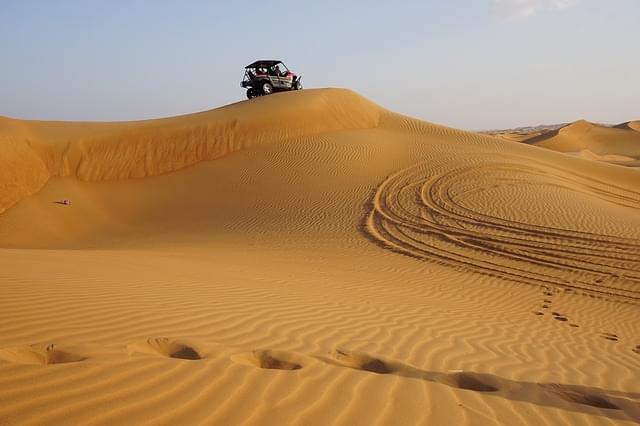 The cheapest time to go is from June to September, when temperatures are, however, decidedly high and therefore negatively affecting certain attractions and excursions.
A good compromise in terms of favourable climate and cost are the months of April and May.
Dubai in Spring
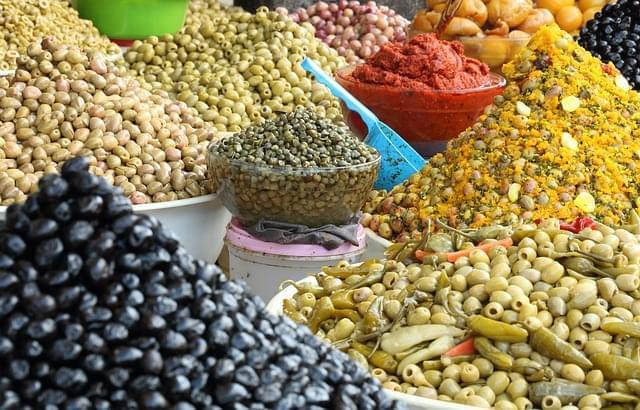 Visiting Dubai in spring means seeing it dress up in sunshine and turquoise. The rains become more and more sporadic, the temperature rises and it is possible to take the first refreshing swims in the crystal-clear, turquoise waters of this wonderful city.
Dubai in spring is enclosed in its souks, which range in scents and colours from the spice market to the fabric or gold market, where you can get in touch with the city's Middle Eastern identity. Or again, Dubai in spring is its desert, to be experienced with the help of still mild temperatures: oases and sand dunes for an unforgettable and unrepeatable experience.
Also typical of springtime Dubai is the Taste of Dubai: a festival that allows visitors to immerse themselves in the spicy flavours and aromas of typical cuisine. There are tastings and cooking classes with the best local star chefs.
For the little ones, there is the Dubai Zoo at the Wild Wadi, with plenty of educational activities for fun and learning.
Dubai in Summer
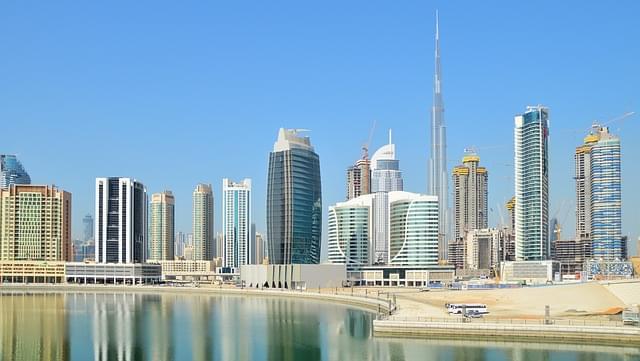 Dubai in summer is a seaside Dubai, with water parks, the sea during the milder hours of the day, and activities indoors, in refrigerated rooms, due to the very high temperatures.
Annually, summer is heralded by a traditional event: Eid-al-fitr, the festival celebrating the end of Ramadan (the Islamic fast). On the occasion of this joyous and buzzing event, one can participate in numerous fun activities in every corner of the city, relax in five-star hotels, take advantage of shopping mall sales, attend concerts by local and international stars, and watch the marvellous Eid Fireworks.
Another annual event is the Dubai Summer Surprises, which lasts as long as six weeks and features performances by musicians, ice skating, water activities and many shows for children.
Don't miss the Dubai Mall, the largest and most important shopping mall in Dubai (which opens the summer season with sales), where you can watch the dancing fountains show: the water sprays change colour and rhythm to the sound of music; andAtlantis: a huge water park, which with its many attractions simulates the lost world of Atlantis.
Dubai in Autumn
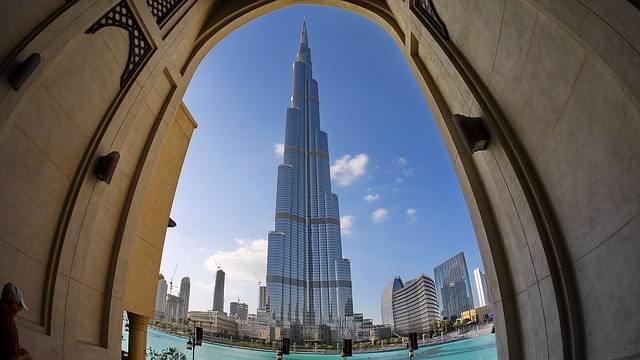 Autumn is the best season to visit Dubai. The temperature drops a little but still remains distinctly summery, the beaches are crowded and the sea retains its 28°C or so and its turquoise colour. The sky is still crystal clear and the probability of rain is practically zero.
An unmissable autumn event is Diwali in Dubai, a festival of lights that makes the city's atmosphere magical.
In addition, the clear autumn sky becomes the perfect backdrop for a breathtaking view from the Burj Khalifa: the world's tallest skyscraper, an impressive 830 m of concrete, steel and glass.
Inspired in its shape by the hymenocallis flower, this immense tower is used for both commercial and residential purposes. Furnished with silver travertine floors and handmade carpets, it offers a unique view of the city from the observatories located on floors 124, 125 and 148, which will become perhaps the most beautiful memory of a trip to Dubai. Your eyes will open wide to the soul of this metropolis: the beating heart of futuristic architecture and buildings and all around the desert.
Dubai in Winter
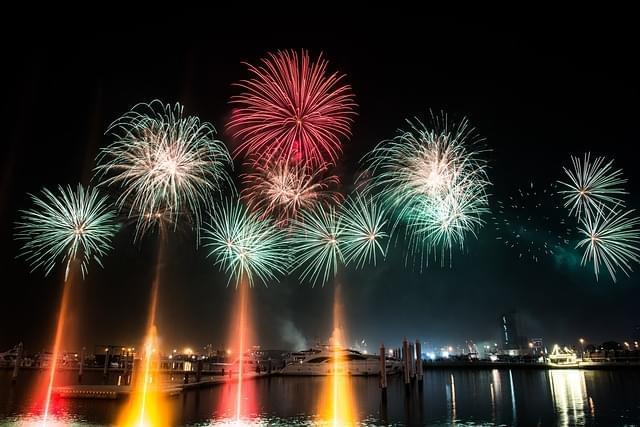 Winter in Dubai is a mild season. Temperatures hover around 27°C, the sea water is still warm and rainfall is intense but brief. One of the most important winter festivals, which is celebrated on 2 December each year, is National Day: the anniversary of the birth of the United Arab Emirates is celebrated with parties, parades and fireworks. Also during the first week of December is the Dubai Winter Festival, when the city dresses up in a Christmas theme with markets, Christmas sweets, Santa's grotto and tree lighting.
In February, on the other hand, the Chinese New Year is celebrated (it usually falls during the first week), with lavish parties scattered in every corner of the city.
For the romantically inclined, it is possible to spend Valentine's Day at the Burj Al Arab: the world-famous hotel in the shape of a sail blown up by the wind, which stands on an artificial island that seems to blossom from the sea and is connected to Jumeirah beach by a footbridge. On Lovers' Day, it is truly extraordinary to enjoy glasses of wine at the lounge on the 27th floor, with a romantic view of the city at sunset.
How to dress: what to pack
In winter: Due to the possible rainfall and gusts of wind that do not allow the use of umbrellas, it is advisable to bring a k-way and to alternate light and slightly heavier clothing, given the almost ten-degree temperature difference between day and night.
In summer: it is advisable to wear light clothing made of natural fibres such as cotton, white or otherwise light-coloured. A further tip is to use trousers and long sleeves, which limit water loss as much as possible. Very important is the use of a high protective cream.
In autumn and spring: light clothing + wind jackets or shawls for the evening are recommended. Very important in all seasons is the use of a hat to protect your head from the sun.
Haven't booked your trip yet? Discover our offers!
Cheap flights: from €301.00 - see offers
Where to stay: Hotels and b&b's from €60.00 per room - see offers
Card, tickets and recommended tours: Burj Khalifa: ticket for the 124th and 125th floors From Dubai: red dune safari and barbecue at Al khayma Dubai Marina: sunset cruise with international buffet
Related articles

Hotel in Dubai, luxury and entertainment guaranteed in this top
Dubai Travel Guide

The highest tower in the world: The Burj Khalifa in Dubai

Souk in Dubai: Top 6 and how to get there

New Year's Eve 2024 in Dubai: Tips, Events and Offers
What to see in Dubai: 19 best attractions and things to do

When to go to Thailand?

Maldives: information and travel ideas